Most pergolas fail quietly. They get built, used enthusiastically for one season, then gradually abandoned as occupants rediscover the same problems the structure was supposed to solve. Afternoon glare makes the space unusable. There is no power for evening entertaining. Posts sit exactly where furniture cannot go. The roofline collects water instead of shedding it. The structure is physically present but functionally useless. Understanding why this pattern repeats is what separates a genuinely useful custom outdoor pergola from an expensive garden ornament.
The Solar Path Problem
Australia’s sun does not behave the way most homeowners assume when planning outdoor structures. In summer, it tracks high before arcing northward and descending from the north-west through the afternoon — the exact window when outdoor entertaining actually happens. A pergola roof designed without accounting for this delivers shade when nobody is outside and full western sun directly into occupants’ faces when they are. Blade angle, roof pitch, and aspect orientation are not aesthetic decisions. They are the variables that determine whether the space is genuinely usable or just technically covered.
Post Placement Gets Consistently Wrong
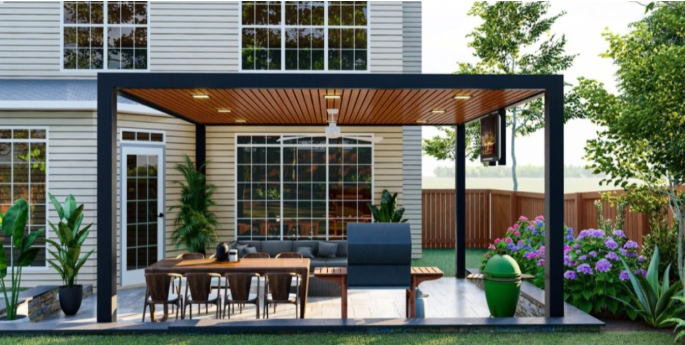
Standard pergola layouts position posts at regular structural intervals without any reference to how furniture will actually sit underneath. The result is predictable. A post lands exactly where the dining table needs to extend, or a corner column prevents a daybed from sitting against the most logical wall. Custom outdoor pergola design starts with the furniture layout — where the table goes, where seating clusters, and where the barbeque sits — and positions structural elements around that reality. Asking occupants to arrange their furniture around structural posts is a design failure, not a compromise. It is also entirely avoidable when the sequencing is handled correctly from the outset.
Drainage Is Engineering, Not an Afterthought
Flat or near-flat pergola roofing that pools water after rain creates compounding problems. Structural stress builds at connection points. A dripping perimeter makes the space unusable during and after wet weather. Maintenance issues accumulate faster than most homeowners anticipate. The internal gutter and downpipe configuration needs to be engineered into the structure’s design before framing is fixed, not resolved during installation when options have already narrowed. Properties on sloping blocks, or homes where the pergola roof must drain away from an adjacent building, carry specific fall requirements that only become apparent during a proper site assessment. Custom outdoor pergola builders who skip this conversation are leaving a problem for the homeowner to find after the first serious rain.
Electrical Provision Changes Everything
A pergola without integrated electrical provision gets used differently from one where power and lighting were planned into the structure from the beginning. It gets used less. And earlier in the evening. Without outdoor power, appliances run off extension leads, lighting gets improvised, and the space loses functionality at dusk — which in an Australian summer is precisely when the temperature drops to something tolerable. Running conduit through posts and beams during construction adds almost no complexity to the build. Retrofitting electrical provision into a completed structure means cutting into finished work, repainting, and dealing with the kind of disruption that makes the original inclusion look like an obvious decision in retrospect.
Material Specification for Demanding Sites
Powder-coated aluminium that operates dependably in a protected suburban garden starts degrading at penetration points and exposed edges after extended salt air exposure on a coastal property. Untreated or improperly sealed hardwood in a high-humidity climate checks, splits, and needs a care plan that most homeowners do not continue past the first year. The material specification for any outdoor construction should begin with a site evaluation that determines the real environmental stressors – salt air closeness, UV intensity, moisture exposure, and ember attack zones on bushfire-prone ground — and picks materials resistant to those circumstances. Choosing materials from a trend board without attention to site circumstances is a guaranteed way to early degradation and remedial work that may have been avoided completely.
Conclusion
A custom outdoor pergola built around genuine site analysis rather than standard layouts produces a space that gets used across seasons rather than abandoned after one. Solar orientation, post placement, drainage design, electrical provision, and material specification are all decided before construction begins. These are not finishing details — they are the foundation of whether the structure works. Homeowners who take the design phase seriously consistently end up with outdoor spaces that justify the investment long after the build is complete.