A blocked drain rarely starts as a blockage. It starts as something smaller and easier to ignore — water draining a little slower than it used to, a faint smell that comes and goes, a gurgle from the pipes after the washing machine finishes its cycle. None of these things feels urgent enough to act on, and most households do not act on them right up until the morning the sink simply will not drain at all and the problem has gone from background nuisance to active emergency. A blocked drain plumber spends their working life arriving at exactly this point, and what they notice when they get there is usually a story that has been building for weeks or months, not something that happened overnight.
The Symptom Is Rarely Where the Problem Is
One of the more counterintuitive things about blocked drains is that the fixture giving trouble is often the last point in line, not the source. A bathroom sink draining slowly might have nothing wrong with it directly — it is simply the first place water backs up to when something further down the line, shared by multiple fixtures, has narrowed enough to restrict flow. Households often focus their attention, and their initial DIY efforts, entirely on the fixture showing the symptom, which explains why so many home remedies provide brief relief and then the same problem returns within days. A drain plumber working through a property systematically traces the problem to where it actually is, rather than treating the visible symptom as the whole picture.
What Looks Cleared Is Often Just Pushed Along
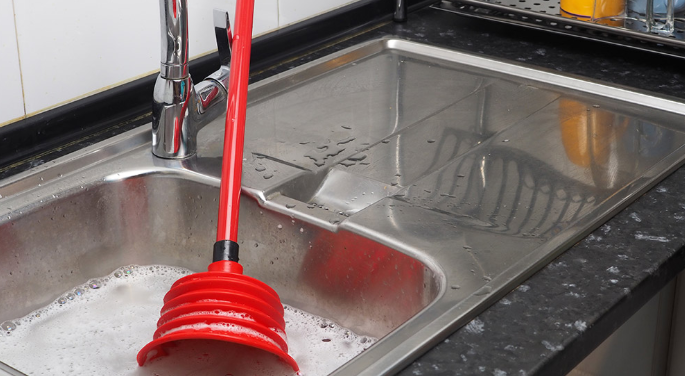
There is a meaningful difference between a drain that flows freely again and a drain that has simply had its blockage pushed further down the pipe. Plungers, chemical drain cleaners, and basic hand augers can all produce the satisfying sensation of water suddenly draining after a blockage — but in many cases, what has actually happened is that the obstruction has been broken up and moved rather than removed. Days or weeks later, that material can reform a blockage further along the pipe, often somewhere less accessible than the original location. A blocked drain plumber using proper clearing equipment removes material from the system rather than relocating it, which is the difference between a fix that holds and one that simply buys a little time before the same call needs to be made again.
Pipe Condition Tells Its Own Story
A blockage that clears easily on one visit and reforms within a short period is usually telling you something about the pipe itself, not just about whatever caused the original obstruction. Pipes with rough internal surfaces from age, corrosion, or previous repairs catch debris far more readily than smooth pipes, creating a cycle where the same section blocks repeatedly regardless of how carefully a household manages what goes down the drain. Root intrusion through small cracks creates a similar pattern — clear it once, and the roots are still there, ready to catch the next thing that passes through. A blocked drain plumber who sees a property’s history of repeat calls recognises this pattern quickly, because the pipe condition, not the household’s habits, is usually the actual variable driving the repetition.
Camera Inspection Turns Guessing Into Knowing
Before camera technology became standard, diagnosing a recurring blockage involved a fair amount of educated guesswork — informed by experience, but guesswork nonetheless. A camera run through the pipe removes that guesswork entirely, showing exactly where a blockage is, what it consists of, and what condition the pipe itself is in at that point. This matters because two blockages that present identically from the surface — both producing the same slow drain, the same gurgling — can have completely different underlying causes that require completely different solutions. Without seeing inside the pipe, a plumber is choosing a treatment based on probability rather than certainty.
Prevention Conversations Happen After the Emergency, Not Before
Most talks regarding what might have been done to avoid a blockage occur after the obstruction has already caused disruption, which is precisely the opposite of how it should function. A plumber who has just cleared a drain and seen the condition of the pipe is in the best possible position to identify what is likely to happen again and why, but that conversation only occurs if someone asks, and most households are simply relieved that the immediate problem has been resolved and do not think to enquire about what happens next.
Conclusion
Households who cease contacting a blocked drain plumber for the same persistent problem are often those that received a correct diagnosis the first time, as opposed to a band-aid solution that just treated the symptom and ignored the underlying cause. When a drain is really cleaned and supported by an honest examination of the initial cause of the obstruction, it tends to remain clear. The difference between a problem that is resolved and one that is just waiting to resurface is often the difference between eliminating a symptom and addressing a cause.