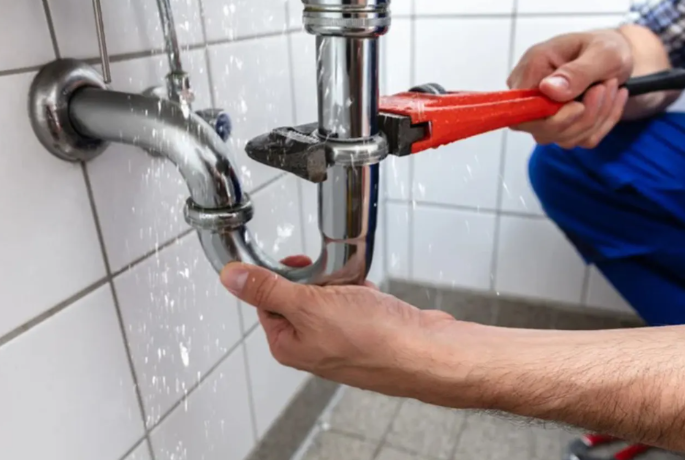
Something interesting happens when a homeowner calls a plumber who has never worked in their suburb before. The tradesperson arrives, diagnoses what is visible, fixes what is accessible, and leaves. The same problem comes back three months later. Not because the repair was poor, but because the repair addressed the symptom without any understanding of what typically drives that symptom in that particular type of property. Turramurra has a specific residential character — in its housing age, its street-level water pressure behaviour, its tree species, and its soil composition — that shapes how plumbing systems fail. A plumber in Turramurra who has spent years working those streets carries that accumulated knowledge into every job in a way that no amount of general trade experience can replicate.
What Galvanised Pipes Do Before They Fail
The failure of a galvanised steel pipe is rarely sudden. It announces itself over a period of months or years through falling water pressure at taps, a slight discoloration that homeowners attribute to the mains supply, and a faint metallic taste that gets written off as something else entirely. What is actually happening is internal oxidation progressively narrowing the pipe bore while rust particles travel through the water. By the time a section fails visibly, the surrounding network is already compromised. Older Turramurra homes with original galvanised supply lines are often living on borrowed time — and a local plumber who recognises the early signs during any routine job is in a position to flag the trajectory before it becomes an emergency.
Why Certain Turramurra Blocks Have Chronic Drainage Problems
The soil profile across parts of Turramurra — particularly the areas with older clay subsoil — shrinks and moves with seasonal moisture changes in a way that stresses buried pipe joints over time. A pipe that was laid correctly and sat level for decades can develop a subtle fall reversal or joint separation as the ground around it shifts. Water sits, sediment accumulates, and what looks like a recurring blockage is actually a structural drainage problem that roding will temporarily clear but never solve. A plumber who sees the same Turramurra street three times for the same issue and investigates soil movement rather than simply clearing the line each visit is doing different work to one who treats every call-out as an isolated event.
The Hot Water System Timing That Catches Homeowners Off Guard
Storage hot water systems give very little warning before they fail. A small amount of weeping around the base, a pressure relief valve that starts releasing occasionally, a slight drop in recovery time — these are the signals that precede failure, and most homeowners miss all of them. A plumber in Turramurra doing any unrelated work who notices these signs and raises them is performing a service that prevents the far more disruptive experience of a tank releasing its contents into a ceiling space or under a floor. The replacement conversation is never welcome, but it is significantly less unwelcome than the emergency call.
What Happens When the Boundary Trap Is Overlooked
Every Sydney property has a boundary trap — the access point where the property’s private drainage meets the Sydney Water network. In older Turramurra properties, these traps are sometimes buried, poorly marked, or last accessed so long ago that their location has been forgotten entirely. When a drainage problem originates between the house and the street, the boundary trap is the starting point for diagnosis. A plumber who cannot locate or access a boundary trap on a property where drainage is failing is working with incomplete information. Finding it before a problem occurs — during any routine access to the property — is the kind of practical knowledge accumulation that distinguishes plumbers who know a suburb from those who are simply working in it.
The Compliance Gap That Surfaces at Resale
Plumbing work completed without the required Sydney Water certification does not become compliant with time. It remains undocumented, and that status surfaces during property inspections, conveyancing, and insurance assessments — sometimes years after the original work was done. Turramurra’s active property market means homes change hands regularly, and uncertified work discovered during that process creates complications that the current owner absorbs, regardless of who did the original job.
Conclusion
A plumber in Turramurra with genuine local knowledge is not a marketing claim — it is a practical advantage that shows up in how problems are diagnosed, how recurring issues are investigated, and how close a call is made before something minor becomes structural. The suburbs where older homes, established trees, and specific soil conditions converge are the ones where that local depth matters most. Turramurra is exactly that kind of suburb, and the difference in outcomes reflects it.