Introduction
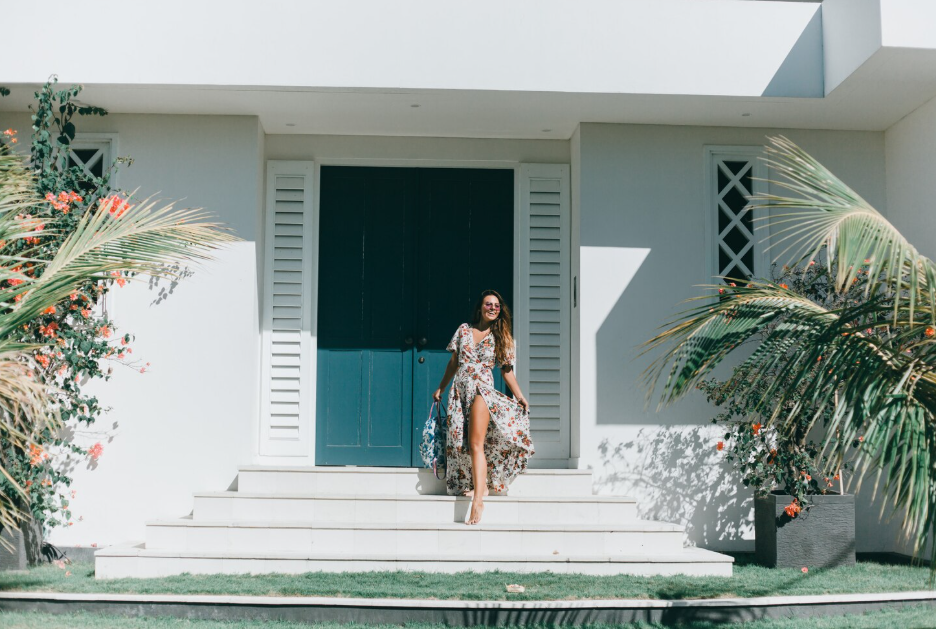
Exterior design is the first impression of any home or building. Beyond appearance, it plays a crucial role in functionality, durability, and protection against environmental elements. A well-planned exterior design balances beauty with practicality, enhancing comfort, safety, and long-term value while reflecting the character of the space inside.
Enhancing Visual Appeal
Exterior design defines the building’s character. Colors and materials create harmony. Aesthetics improve attractiveness. First impressions become lasting.
Improving Structural Protection
Quality exteriors protect against weather. Materials resist rain, heat, and wind. Durability improves lifespan. Structures remain strong.
Supporting Energy Efficiency
Exterior insulation reduces heat loss. Smart design controls temperature. Efficiency lowers energy costs. Comfort improves indoors.
Enhancing Safety and Security
Lighting improves visibility. Fencing and layouts increase security. Protection reduces risks. Peace of mind improves living quality.
Supporting Functional Layouts
Outdoor spaces enhance usability. Pathways improve movement. Function supports daily activities. Convenience improves experience.
Increasing Property Value
Attractive exteriors boost market appeal. Buyers value good design. Investment improves resale potential. Value strengthens returns.
Improving Weather Resistance
Roofing and cladding shield interiors. Moisture control prevents damage. Protection ensures longevity. Maintenance costs decrease.
Supporting Sustainable Design
Eco-friendly materials reduce impact. Green designs support the environment. Sustainability improves responsibility. Homes become future-ready.
Enhancing Outdoor Living
Patios and balconies extend living areas. Comfort supports relaxation. Usability improves enjoyment. Lifestyle becomes richer.
Supporting Drainage and Water Control
Proper slopes guide water away. Drainage prevents flooding. Design protects foundations. Safety improves structure health.
Improving Accessibility
Well-designed entrances support mobility. Ramps and pathways improve access. Inclusivity enhances usability. Comfort becomes universal.
Enhancing Lighting Design
Exterior lighting improves aesthetics and safety. Illumination highlights features. Visibility reduces accidents. Night appeal improves ambiance.
Supporting Noise Reduction
Design elements reduce external noise. Barriers improve privacy. Comfort improves focus. Living becomes peaceful.
Enhancing Brand or Style Identity
Design reflects personal or brand identity. Consistency improves recognition. Character strengthens presence. Identity becomes visible.
Supporting Low Maintenance
Durable finishes reduce upkeep. Smart materials save time. Maintenance becomes manageable. Longevity improves satisfaction.
Protecting Interior Spaces
Exteriors act as a shield. Insulation and sealing prevent damage. Protection improves comfort. Interiors stay secure.
Adapting to Climate Conditions
Design responds to local climate. Ventilation and shading improve comfort. Adaptability supports resilience. Performance improves efficiency.
Enhancing Community Appeal
Well-designed exteriors improve neighborhoods. Visual harmony increases pride. Community value improves. Surroundings become inviting.
Supporting Long-Term Durability
Quality design reduces wear over time. Strong materials improve endurance. Investment supports longevity. Buildings remain resilient.
Conclusion
Exterior design plays a vital role in aesthetics, functionality, and protection by blending visual appeal with structural strength and efficiency. From enhancing curb appeal and energy performance to safeguarding buildings from environmental elements, thoughtful exterior design adds lasting value and comfort. A well-designed exterior not only protects what’s inside but also creates a welcoming and enduring presence for years to come.